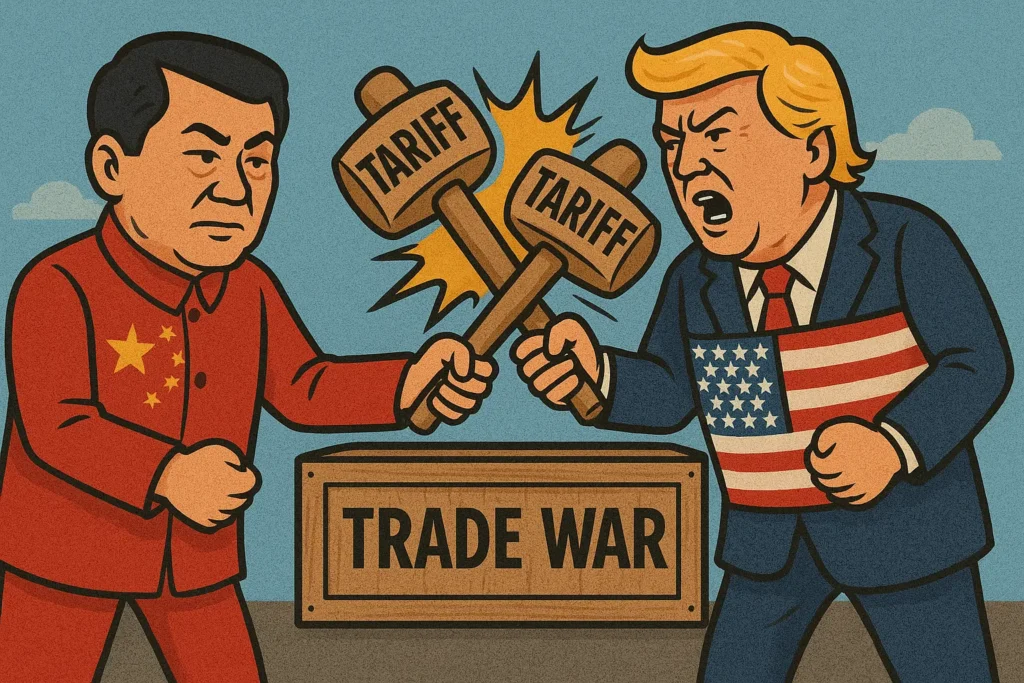
In an era of escalating trade tensions, understanding China US tariff strategy has become crucial for global economic observers. As the United States continues to impose significant tariffs on Chinese goods, Beijing has developed a sophisticated multi-pronged approach that combines diplomatic engagement, strategic retaliation, and economic resilience. This comprehensive analysis examines how China US tariff strategy is navigating these challenges in 2025.
China US Tariff Strategy: Calculated Retaliation Framework
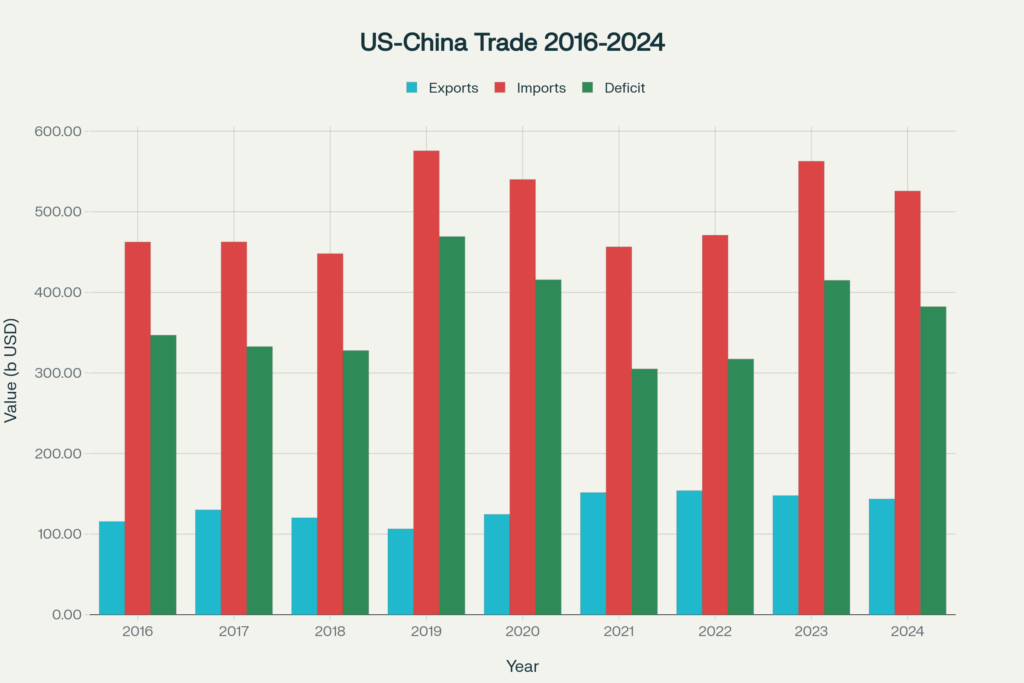
China’s response to American trade pressures represents a masterclass in strategic economic diplomacy. Rather than engaging in tit-for-tat escalation, Beijing has implemented a carefully calibrated approach that forms the cornerstone of China’s US tariff strategy. This methodology involves the selective targeting of American agricultural and energy sectors while maintaining overall economic stability.
The Chinese government has demonstrated remarkable restraint by avoiding dollar-for-dollar matching of US tariffs. Instead, officials have focused on high-impact sectors that can effectively communicate China’s position without triggering catastrophic economic consequences. This approach includes strategic limitations on critical material exports and regulatory investigations targeting prominent US corporations.
Domestic Economic Resilience in China US Tariff Strategy
A critical component of China’s US tariff strategy involves comprehensive domestic economic reinforcement. Chinese policymakers have introduced extensive stimulus packages designed to cushion domestic industries against reduced US market access. These measures encompass relaxed credit conditions, enhanced support for small and medium-sized enterprises, and targeted assistance for export-dependent sectors.
Despite facing average US tariffs reaching 65% on Chinese goods, China’s economy has demonstrated remarkable resilience. Export manufacturers have adapted to narrower profit margins and complex logistical challenges, particularly in traditionally low-margin sectors. This adaptability underscores the effectiveness of China’s proactive domestic economic policies.
The government’s focus on macroeconomic stability has proven instrumental in maintaining employment levels and production capacity during periods of trade uncertainty. This internal strength provides Beijing with greater flexibility in implementing its broader tariff response strategy.
Diplomatic Engagement: Soft Power and Strategic Patience
Diplomatic engagement remains a fundamental pillar of China’s US tariff strategy. Despite ongoing trade tensions, Chinese officials have consistently participated in high-level negotiations with their American counterparts. Recent diplomatic efforts in Stockholm and Geneva demonstrate Beijing’s commitment to finding mutually beneficial solutions through dialogue.
Beyond bilateral US-China discussions, China has strategically expanded its diplomatic efforts across the Asia-Pacific region. The March 2025 resumption of trilateral trade talks with South Korea and Japan, after a five-year hiatus, exemplifies this broader approach. These discussions focus on free trade agreements and supply chain cooperation, effectively reducing China’s dependence on the US market while strengthening regional economic integration.
Export Diversification Within China US Tariff Strategy
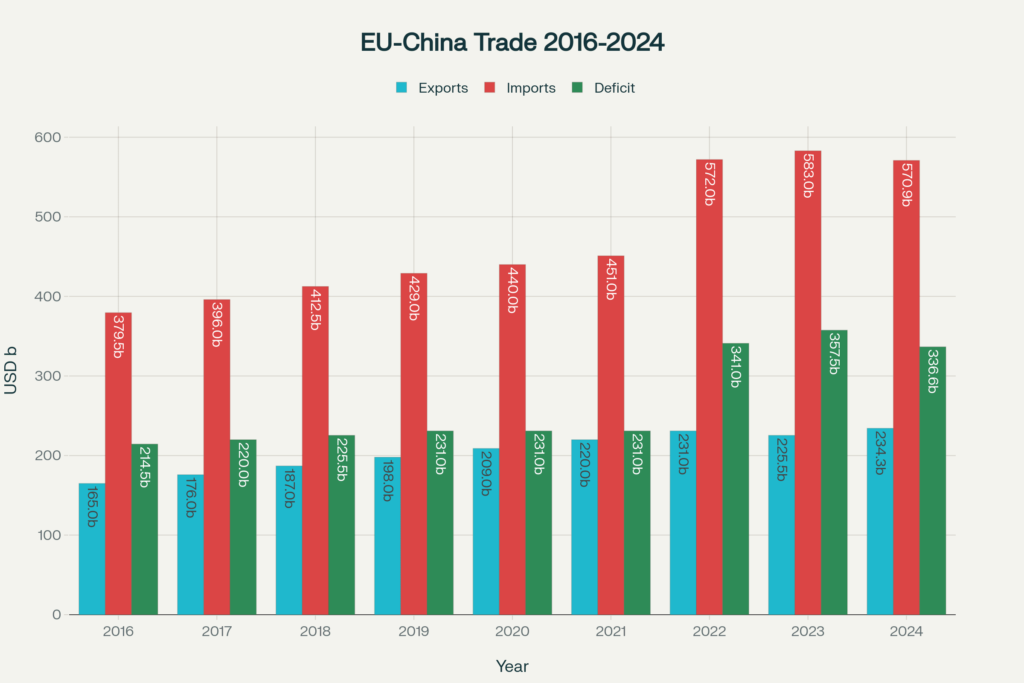
Geographic diversification of export markets represents another crucial element of China US tariff strategy. As American tariffs intensify, Chinese exporters have successfully redirected their focus toward European and Southeast Asian markets. This strategic pivot mirrors successful patterns established during the 2018 trade war and continues to prove effective in maintaining export momentum.
The Chinese government has actively supported this diversification through policy incentives, trade promotion activities, and diplomatic initiatives. By reducing overreliance on the US market, China has created greater economic flexibility and reduced vulnerability to American trade policy changes.
Additionally, China has leveraged international forums to present its narrative of defending multilateral trade principles against what it characterizes as American economic protectionism. This messaging strategy has helped maintain China’s international standing while building support for its trade positions.
Long-term Strategic Planning: Managing Structural Competition
Recognizing the structural nature of US-China economic competition, Beijing has invested in creating sustainable dialogue mechanisms. These frameworks enable ongoing discussions regarding market access, intellectual property protection, and tariff policies, even when major breakthroughs remain elusive. Such mechanisms serve to reduce economic volatility and maintain channels for future cooperation.
China’s leadership has demonstrated strategic restraint by avoiding actions that could lead to complete economic decoupling from the United States. This measured approach allows China to defend its interests while preserving opportunities for future engagement and cooperation.
Current Challenges and Future Outlook
Despite the sophistication of China’s approach, significant challenges remain. High US tariffs continue to pressure Chinese exporters, while domestic issues, including youth unemployment and currency pressure,s constrain Beijing’s policy options. Traditional circumvention strategies, such as routing trade through third countries like Vietnam and Thailand, have become less viable due to enhanced US customs scrutiny.
However, China’s calculated approach has successfully prevented a complete trade war spiral. The balanced strategy of maintaining firm positions while avoiding unnecessary provocations reflects Beijing’s maturing understanding of complex geopolitical and economic dynamics.
Frequently Asked Questions (FAQs)
1. What is the core of China’s US tariff strategy in 2025?
China’s US tariff strategy centers on calibrated retaliation, diplomatic engagement, domestic economic strengthening, and export market diversification. Rather than matching US tariffs dollar-for-dollar, China selectively targets high-impact American sectors while maintaining overall economic stability.
2. How has China maintained economic resilience despite high US tariffs?
China has implemented comprehensive stimulus measures, including relaxed credit conditions and support for small and medium enterprises. The government has focused on macroeconomic stability and domestic market strengthening to cushion the impact of reduced US market access.
3. What role does diplomacy play in China’s response to US tariffs?
Diplomacy remains central to China’s approach, with ongoing high-level negotiations with the US and expanded engagement with regional partners. The resumption of trilateral talks with South Korea and Japan exemplifies China’s broader diplomatic strategy.
4. How is China diversifying its export markets away from the US?
China has successfully redirected exports toward European and Southeast Asian markets, supported by government policy incentives and trade promotion activities. This diversification reduces dependence on the US market and creates greater economic flexibility.
5. What are the main challenges facing China’s tariff strategy?
Key challenges include high US tariff rates (up to 65%), domestic economic pressures like youth unemployment, currency volatility, and reduced effectiveness of traditional trade circumvention methods due to enhanced US customs scrutiny.
Questions for Readers
As we analyze China’s sophisticated approach to US tariff challenges, several important questions emerge for consideration:
- How do you think China’s regional diplomatic initiatives will affect the global balance of economic power in the coming years?
- What impact might China’s export diversification strategy have on traditional US allies in Europe and Asia?
- Do you believe China’s measured response to US tariffs demonstrates strength or restraint, and what are the implications for future trade relations?
- How might American businesses and consumers be affected by the continued evolution of China’s tariff response strategy?
- What role should multilateral institutions play in mediating the ongoing US-China trade tensions, and how might China’s approach influence this process?
This analysis of China’s US tariff strategy provides insights into one of the most significant economic relationships of our time. As these dynamics continue to evolve, understanding the strategic thinking behind China’s approach becomes increasingly important for businesses, policymakers, and economic observers worldwide.
Further Reading